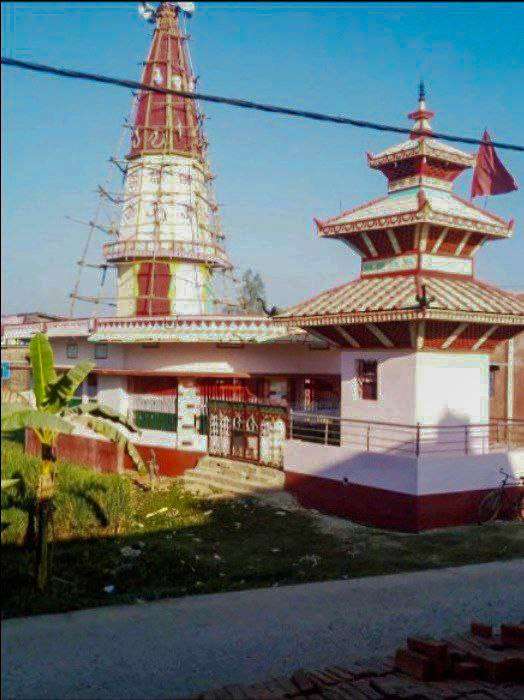
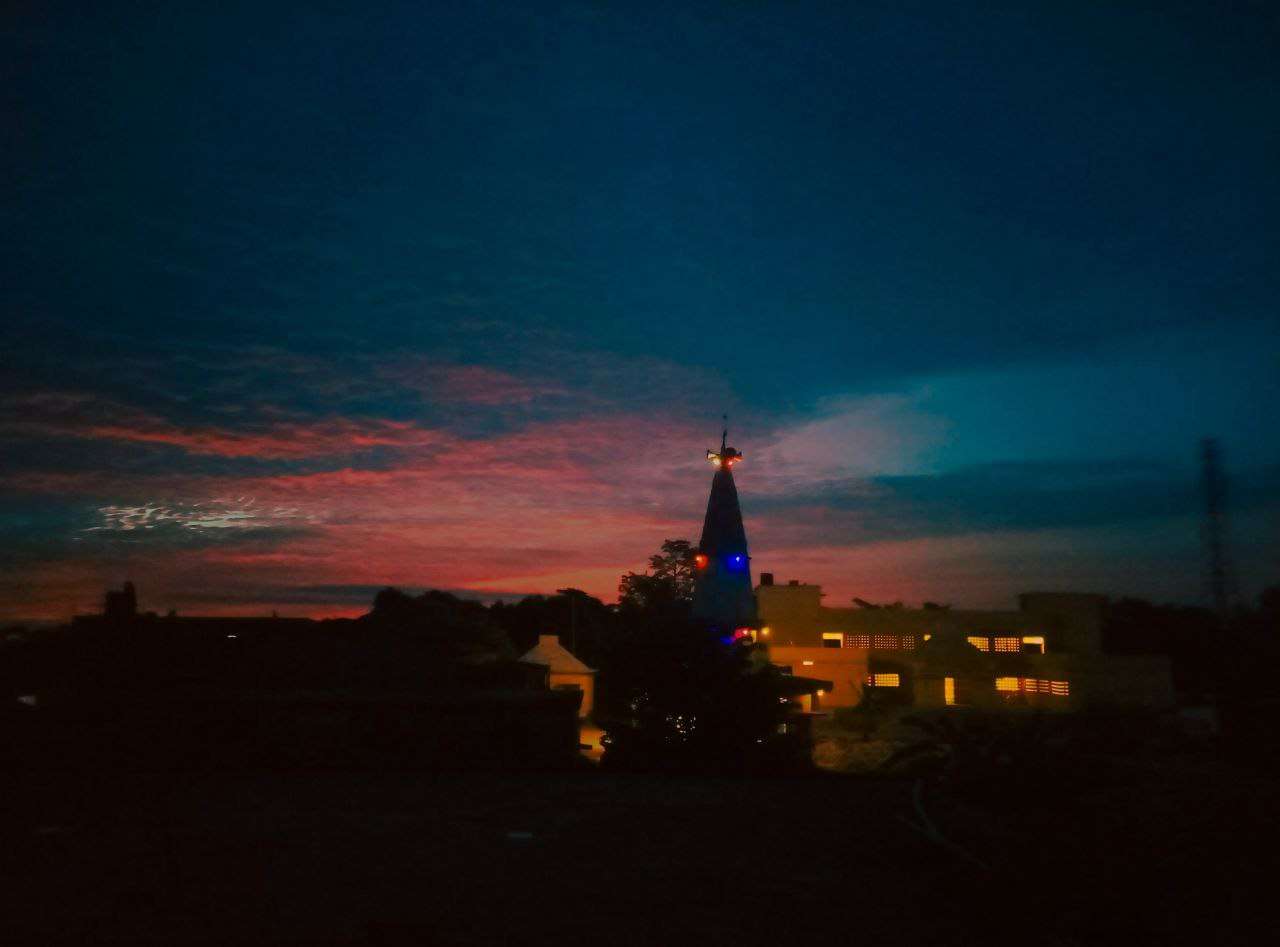
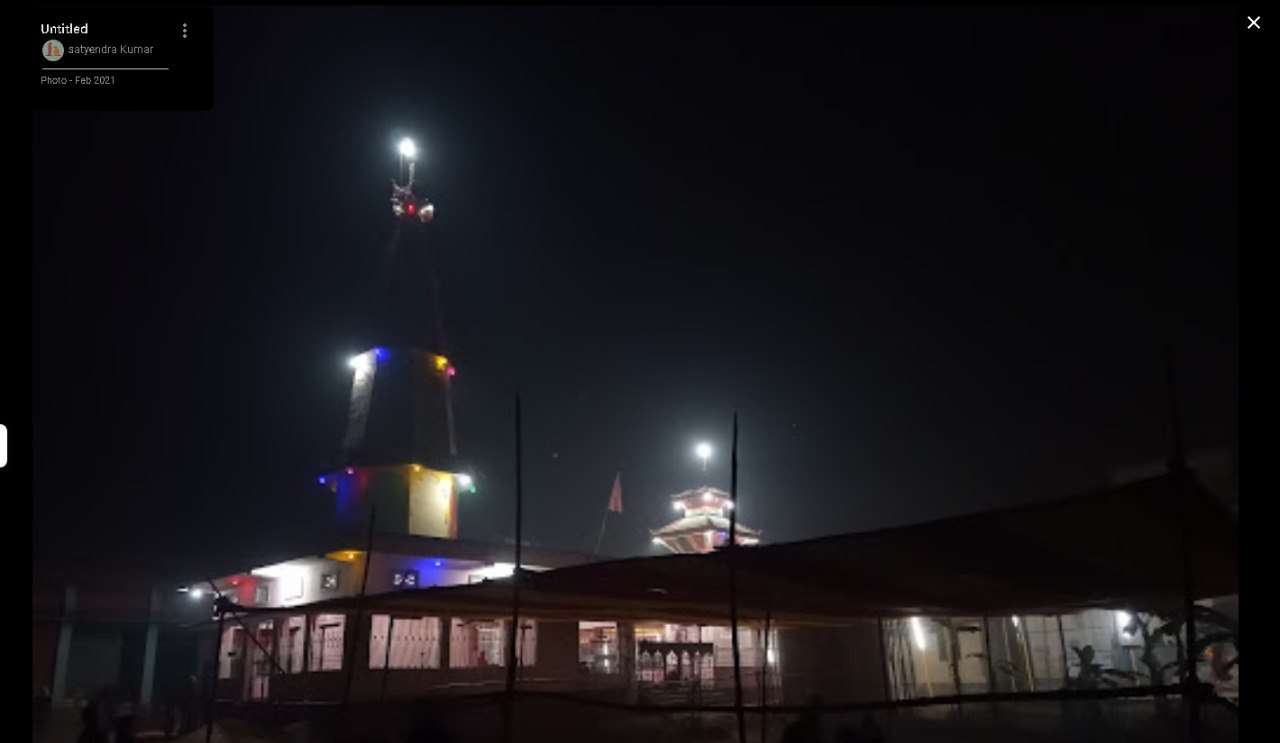
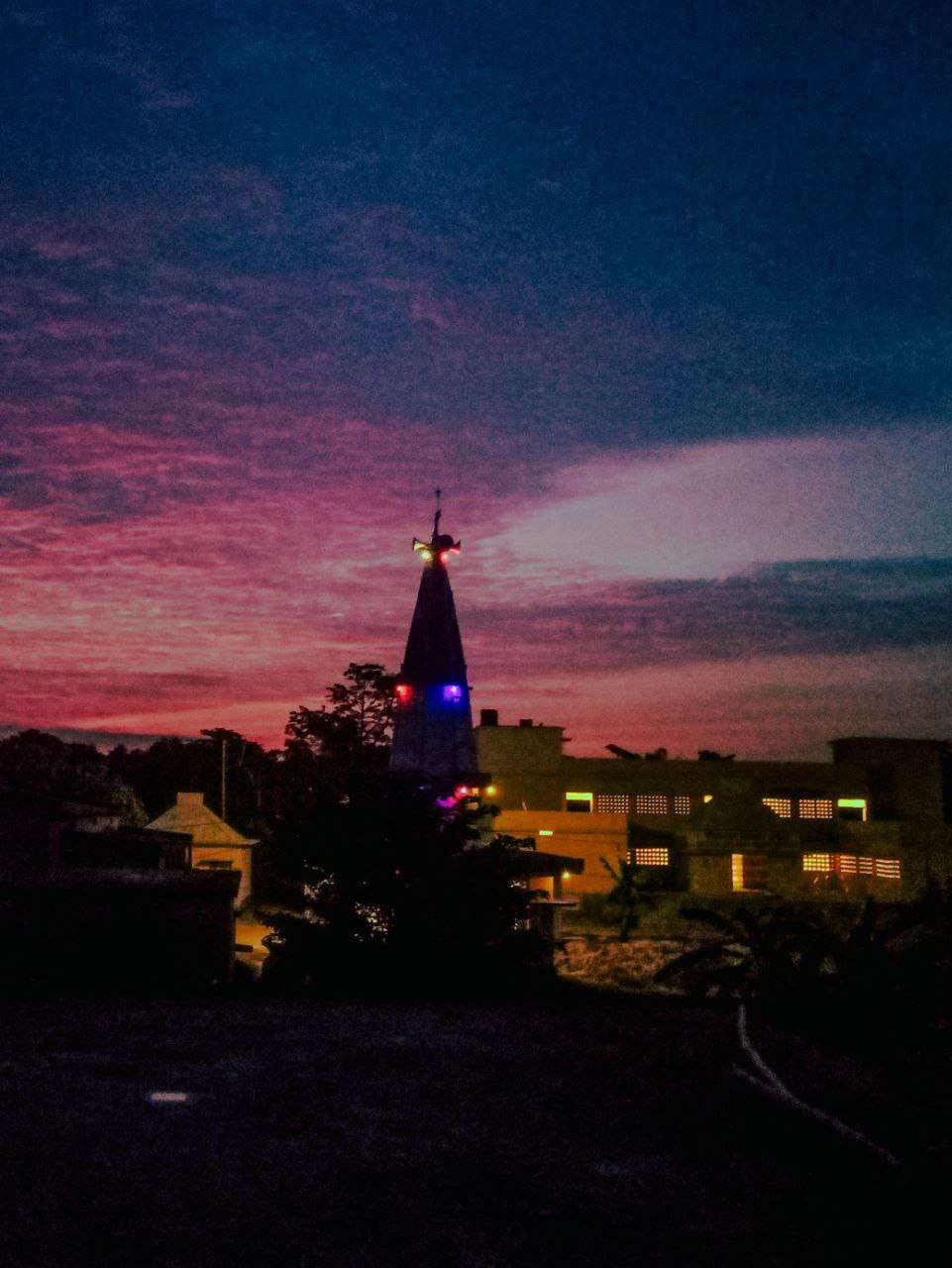
Baba Garibnath Temple,Darpa Pipra

Discover the Divine Essence of Our Beloved Temple

Discover the Divine

Greetings, pilgrim! We are honored by your presence at this hallowed temple, a sanctuary dedicated to the divine. This sacred space has stood as a beacon of spirituality for centuries, offering solace, inspiration, and a deep connection to the transcendent.

As you step into our temple, may you feel a sense of peace and tranquility wash over you. Our doors are always open to those seeking spiritual nourishment and a respite from the world's turmoil. Here, you will find a place of reflection, where you can connect with your inner self and commune with the divine.

Our temple is a testament to the enduring power of faith and the unwavering devotion of our ancestors. The intricate architecture, the serene atmosphere, and the sacred rituals performed within these walls have touched countless lives. May your visit here be a transformative experience that leaves you feeling uplifted and inspired.

We invite you to explore our temple grounds, witness the beauty of our sacred rituals, and participate in our spiritual offerings. May your time here be a journey of self-discovery and a deepening of your connection to the divine.

Welcome once again. May your visit be a source of blessings and enlightenment.

Mobirise Website Builder

1000+

Devotees Daily

50+

Festivals Celebrated

100+

Community Events

Your Burning Questions Answered!

The temple welcomes visitors from dawn till dusk, ensuring you have ample time to soak in the divine vibes!

The temple is primarily dedicated to Lord Shiva but you'll also find shrines for other deities like Goddess Lakshmi and Lord Rama, Lakshmana, and Sita Devi and more other ,.

Get ready for a riot of colors during festivals like Diwali, to Holi.where the temple comes alive with joy!

☁️ Best offers ☁️ Free delivery ☁️ Perfect design ☁️ Comfort ☁️ Support 24/7 ☁️ Vibes

Praise

A divine experience! The temple's energy is simply unmatched.

Sikendra kumar

The festivals here are a blast! You can't miss them.

Dinesh gupta

The community programs are heartwarming and inclusive.

Ranjan kumar

Every visit feels like a homecoming. Truly special!

Dhurendra kumar

Every time I come back, it's like stepping into a warm embrace!

Satya

"Each visit is a comforting return to a familiar place."

Nitish Kumar

Latest Temple Updates

Mobirise Website Builder
Lord Shiva. 

Lord Shiva: The Destroyer and Regenerator

Lord Shiva, one of the three major deities in Hinduism, is often depicted as a complex and enigmatic figure. He is known as the "Destroyer," but his role extends far beyond destruction. He is also the "Regenerator," responsible for the cycle of creation and destruction that sustains the universe.  

Key attributes and symbolism associated with Lord Shiva:

The Third Eye: Shiva's third eye, located in his forehead, is a symbol of divine wisdom and power. It is believed to possess the power to destroy anything, including the universe itself.  
The Trident: Shiva's trident represents his three primary functions: creation, preservation, and destruction.  
The Snake: The cobra coiled around Shiva's neck symbolizes his connection to the underworld and his mastery over poisons.
The Bull: Shiva's vehicle, the bull Nandi, represents strength, determination, and devotion.  
The Ganges: The River Ganges, which flows from Shiva's hair, is considered sacred and is believed to have the power to purify and heal.  
Shiva's various forms and aspects:

Bhairava: A fearsome form of Shiva associated with protection and destruction of evil.  
Natraja: The cosmic dancer, symbolizing the rhythm of creation and destruction.  
Pasupati: The lord of animals, representing Shiva's compassion and connection to all living beings.  
Lingam: A symbolic representation of Shiva in the form of a pillar, representing the infinite and the unknowable.  
Shiva's role in Hindu mythology:

The Great Flood: Shiva is believed to have controlled the Great Flood by drinking poison that threatened to destroy the world.
The Dance of Destruction: In his form as Natraja, Shiva performs the cosmic dance to destroy the universe and prepare for its regeneration.  
The Taunting of Brahma: Shiva once became angry with Brahma and beheaded him for disrespecting his wife, Parvati.
Shiva's devotion and practices:

Mahamrityunjaya Mantra: A powerful mantra dedicated to Shiva, believed to have the power to ward off death and disease.  
Shivalinga Worship: Devotees worship the Shivalinga, a symbolic representation of Shiva, by offering flowers, milk, and water.
Kumbh Mela: A massive religious gathering held every 12 years, where millions of devotee's bathe in sacred rivers to seek Shiva's blessings.  
Mobirise Website Builder
 Goddess Parvati.


   Parvati is a prominent Hindu goddess, often depicted as the consort of Lord Shiva, the destroyer of evil. She is revered for her qualities of love, devotion, motherhood, and power.  

Key Aspects of Parvati:
Divine Feminine: Parvati is a symbol of the divine feminine energy, Shakti. She represents the creative and nurturing aspects of the universe.  
Mother Goddess: As the mother of Ganesha and Kartikeya, she is often considered the mother of all creation.  
Benevolent Form: Parvati is known for her gentle and compassionate nature. She is often depicted as a beautiful and serene figure.  
Powerful Warrior: When necessary, Parvati can transform into fierce forms like Durga or Kali, capable of defeating evil forces.  
Devotion: Parvati is an example of unwavering devotion. Her love for Shiva and her determination to win his heart are legendary.  
Different Forms of Parvati:
Uma: A common name for Parvati, often associated with her youthful and playful aspect.  
Gauri: The fair-skinned goddess, known for her beauty and grace.  
Annapurna: The goddess of food and nourishment often depicted holding a bowl of rice.  
Kali: The fierce and destructive form of Parvati, often associated with death and rebirth.
Durga: The warrior goddess often depicted riding a lion and armed with weapons, capable of defeating evil.

Mobirise Website Builder
Lord Rama, Lakshmana, and Devi Sita.

Lord Rama, Lakshmana, and Sita Devi: The Divine Trio

Lord Rama, Lakshmana, and Sita Devi form a divine trio in Hindu mythology, symbolizing love, loyalty, and righteousness. Their story, as depicted in the epic Ramayana, is one of the most beloved and celebrated tales in Indian culture.

Lord Rama: The seventh avatar of Lord Vishnu, Rama is considered the ideal man, embodying qualities such as courage, wisdom, compassion, and righteousness. He is known for his unwavering devotion to his wife Sita and his unwavering commitment to dharma (righteousness).  

Lakshmana: Rama's younger brother, Lakshmana is a loyal and devoted companion. He is known for his unwavering loyalty to Rama and his willingness to sacrifice his own life for his brother.  

Sita Devi: The incarnation of Goddess Lakshmi, Sita is the epitome of purity, devotion, and resilience. She is known for her unwavering love for Rama and her steadfastness in the face of adversity.  

The Story of Ramayana:

The Ramayana narrates the story of Lord Rama's exile from Ayodhya, his quest to rescue Sita from the demon king Ravana, and their eventual reunion. The epic is filled with tales of courage, sacrifice, and the triumph of good over evil.  

Key themes and symbolism in the Ramayana:

Dharma: The Ramayana emphasizes the importance of dharma, or righteousness, as the guiding principle for human life.  
Love and Loyalty: The love between Rama and Sita is considered a model of devotion and loyalty.  
Sacrifice and Selflessness: The story highlights the importance of selflessness and sacrifice in the pursuit of righteousness.
Good vs. Evil: The Ramayana is a classic tale of good versus evil, with Rama representing the forces of good and Ravana representing evil.

Mobirise Website Builder
Lord Shani and Hanuman Ji.

Lord Shani and Hanuman Ji: Divine Duo
Lord Shani and Hanuman Ji are two revered figures in Hindu mythology, known for their distinct qualities and their unique relationship.

Lord Shani

Lord Shani, the planet Saturn personified, is often associated with justice, discipline, and karma. He is feared and respected for his ability to bring about challenges and setbacks in life. However, Shani is also seen as a teacher, helping individuals to overcome their shortcomings and learn valuable lessons.

Key attributes: Justice, discipline, patience, karma
Symbol: A crow or a blue figure with a scythe
Day of worship: Saturdays
Hanuman Ji

Hanuman Ji, the monkey god, is known for his immense strength, devotion, and loyalty. He is considered a symbol of courage, perseverance, and unwavering faith. Hanuman Ji is particularly revered for his service to Lord Rama and his role in the epic Ramayana.

Key attributes: Strength, devotion, loyalty, intelligence
Symbol: A monkey
Day of worship: Tuesdays
The Relationship Between Shani and Hanuman

Despite their contrasting qualities, Shani and Hanuman share a unique relationship. It is believed that Hanuman Ji's devotion and faith have earned him the respect of Shani. As a result, Shani is said to be less severe in his judgments towards devotees of Hanuman Ji.

Benefits of Worshiping Shani and Hanuman

Overcoming challenges: Worshiping Shani and Hanuman is believed to help individuals overcome obstacles and setbacks in life.
Gaining strength and courage: Hanuman Ji's blessings are said to bestow strength, courage, and perseverance.
Achieving success: Both Shani and Hanuman are associated with success, but it is believed that success achieved through their blessings is more enduring and meaningful.


Connect With Us!

Get In Touch